“What does a penetration test cost in the UAE?” is the first question most buyers ask — and the honest answer is that there is no single price. A pentest is a scoped, expert-led engagement, so the cost depends on what is tested, how deeply, and to what standard. This guide explains exactly what moves the price, so you can judge a quote instead of guessing.
The short answer

There is no flat rate for penetration testing or VAPT in the UAE. Prices in the market range enormously — from a light automated scan to a multi-week red team engagement — because they are measuring completely different things. Any provider who quotes a fixed number before understanding your environment is guessing. A credible quote always follows a short scoping conversation, not the other way around.

What drives the cost of a penetration test or VAPT?

Six factors decide almost every quote. Understanding them lets you compare providers on value, not just headline price.

  • 1. Scope & sizeThe number of applications, IP ranges, user roles, APIs and cloud environments in scope. Testing one web app is a fraction of the effort of a full external and internal estate.
  • 2. Depth & type of testingA vulnerability assessment is lighter than a full penetration test; a red team operation is deeper again. Depth is the single biggest lever on price.
  • 3. Manual vs automatedAn automated scan is cheap because a tool does the work. Real, manual exploitation by a certified tester costs more — and finds the issues that actually matter.
  • 4. Compliance & reportingAudit-ready reporting mapped to NESA, DESC or CBUAE, and evidence a regulator will accept, adds rigour — and time — over a basic findings list.
  • 5. RetestingVerifying that your fixes actually worked, with a retest after remediation, is where real risk reduction happens. It is worth budgeting for.
  • 6. UrgencyA deadline-driven test for a client questionnaire or an audit date is scoped and staffed differently from planned, annual testing.

Why the cheapest quote is often the most expensive

A low price usually signals a narrow scope or an automated scan with a report attached.

The risk of buying on price alone is a clean-looking report that missed the vulnerability an attacker will not. In a regulated market like the UAE, a test that does not stand up to a NESA, DESC or CBUAE audit — or that misses a real exploit path — costs far more than it saved. Rootsec is a boutique: expert-led, manual testing, and a report written to be acted on and to stand up to scrutiny. We would rather scope the right test than win on the lowest number.

How Rootsec scopes and quotes

Transparent, fixed, and no surprises — in three steps.

  • 1. A short scoping callWe understand your environment, your drivers (compliance, a client demand, or genuine assurance) and your timeline.
  • 2. A fixed, written quoteYou receive a clear scope and a fixed price — no hourly surprises, no scope creep mid-engagement.
  • 3. Testing, report & retestWe test, deliver an actionable report, and verify your fixes. You know exactly what you paid for and why.

Frequently asked questions

How much does a penetration test cost in the UAE?

There is no fixed price. The cost depends on the scope (how many applications, IPs and users), the depth of testing, whether the work is manual or automated, and the reporting standard you need. A credible quote follows a short scoping conversation — anyone quoting a flat number beforehand is guessing.

How much does VAPT cost?

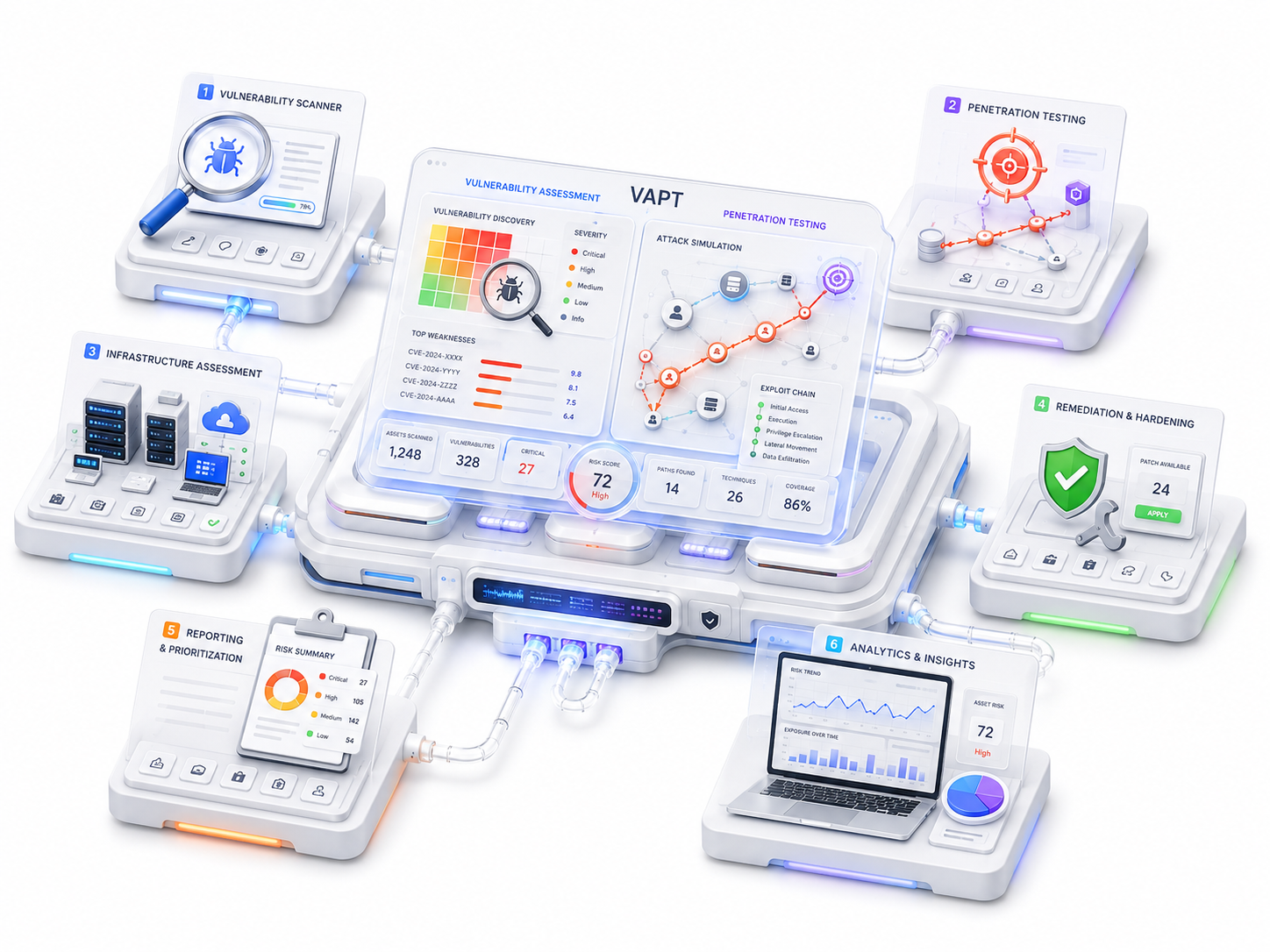
VAPT cost is driven by the same factors as any penetration test: scope, depth, manual versus automated effort, compliance-grade reporting, and retesting. Because VAPT combines a vulnerability assessment with hands-on penetration testing, it sits between a light scan and a full red team on the price scale.

Why don’t you list fixed prices on the website?

Because an honest price requires knowing what we are testing. Listing a headline figure would either overcharge a small scope or undersell a serious one. We scope your environment first, then give you a fixed, written quote you can rely on.

What makes one penetration test more expensive than another?

Mostly depth and scope. Manual, expert-led testing of a large or complex environment, with audit-ready reporting and a retest, costs more than a narrow automated scan — and finds the issues that a scan cannot.

Does compliance (NESA, DESC, CBUAE) affect the cost?

Yes. Reporting that maps findings to a specific regulator and provides evidence an auditor will accept takes more effort than a basic findings list, and it is usually essential for regulated entities in the UAE.

Is a cheaper penetration test worth it?

Often not. A low price usually means a narrow scope or an automated scan. If the test misses a real exploit path or fails to satisfy your regulator, it costs far more than it saved. Judge a quote on scope and method, not the headline number.